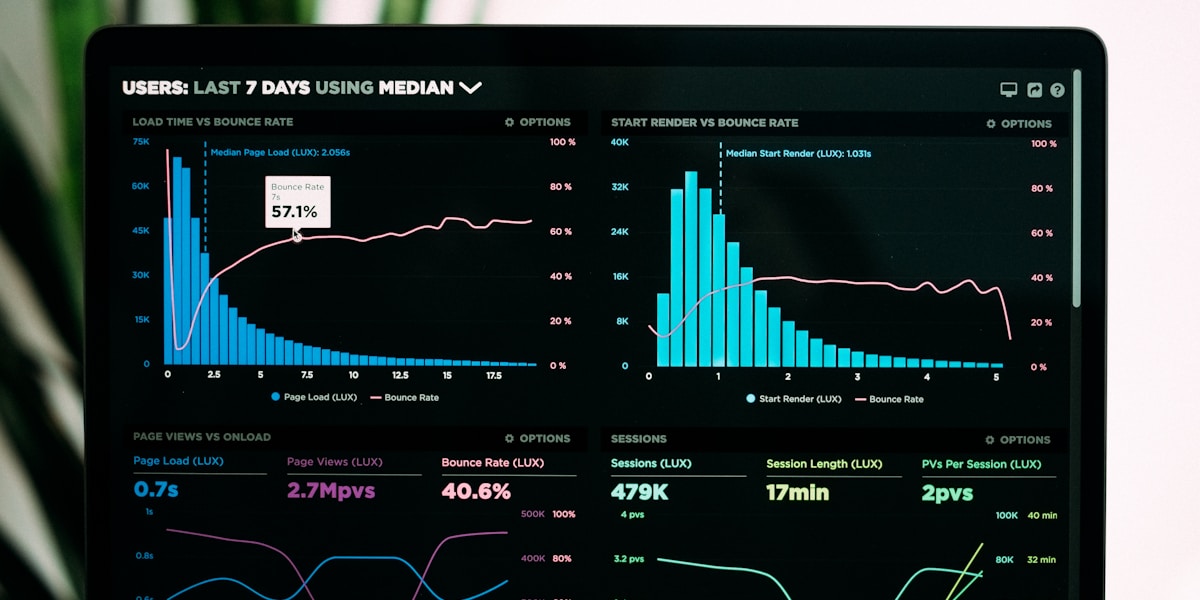
In today's rapidly evolving busin ess landscape, organizations are generating unprecedented volumes of data from customer interactions, operational processes, market trends, and digital touch points. However, raw data alone holds little value without the proper tools an d expertise to transform it into actionable insights. This is where da ta analytics emerges as a game-changing discipline, enabling business es to harness their information assets and make decisions backed by evidence r ather than intuition. For companies seeking competitive advantage, understandi ng and implementing robust data analytics strategies has become not just an op tion, but a necessity for sustainable growth.
Understanding the Foundat ions of Business Data Analytics
Data analytics encompasses a broad spec trum of technologies, processes, and methodologies designed to examine raw dat a with the purpose of drawing conclusions about that information. At its core, business data analytics involves collecting, processing, and analyzing data to uncover patterns, correlations, and trends that inform strategic decision-maki ng. The field has evolved significantly from simple spreadsheet analysis to so phisticated artificial intelligence and machine learning algorithms capable of predicting future outcomes with remarkable accuracy. Modern analytics solution s can process structured data from databases alongside unstructured data from social media, emails, and multimedia sources, providing a comprehensive view o f business operations and market dynamics.
Key Benefits of Data-Driven Decision Making
Organizations that embrace data-driven decision-making experience numerous transformative benefits that directly impact their bottom line. First and foremost, analytics eliminates guesswork by providing objectiv e insights into customer behavior, market conditions, and operational efficien cy. This leads to improved accuracy in forecasting, allowing businesses to anticipate demand fluctuations, optimize inventory levels, and a llocate resources more effectively. Additionally, data analytics enables
Competitive Advantage Through Predictive Analytics
Predictive analytics stands as one of the most powerful applications of da ta science in business contexts. By analyzing historical data and identifying patterns, predictive models can forecast future trends, customer churn risks, equipment failures, and market shifts before they occur. This proactive approa ch allows businesses to stay ahead of competitors who rely solely on reactive strategies. For instance, retailers can predict seasonal demand spikes and adj ust procurement accordingly, while manufacturers can anticipate maintenance ne eds and prevent costly production downtime. The ability to foresee challenges and opportunities provides organizations with the agility needed to thrive in volatile markets.
Implementation Strategies for Effective Analytics
Successfully integrating data analytics into business operations requires a strategic approach that addresses technology, talent, and organizational cul ture. The first step involves establishing a clear data strategy aligned with business objectives, identifying key performance indicators ( KPIs), and determining which metrics matter most for decision-making. Infrastr ucture considerations are equally important, as businesses need robust data pi pelines, storage solutions, and analytics platforms capable of handling their specific data volumes and varieties. Many organizations benefit from cloud-bas ed analytics solutions that offer scalability, flexibility, and cost-effective ness compared to traditional on-premises systems. Equally critical is building a team with the right mix of skills—including data engineers, analysts, data s cientists, and business intelligence specialists—who can bridge the gap betwee n technical capabilities and business requirements.
Overcoming Common I mplementation Challenges
Despite its transformative potential, data ana lytics implementation often faces obstacles that organizations must address pr oactively. Data quality issues rank among the most common cha llenges, as incomplete, inconsistent, or outdated data can lead to misleading conclusions. Establishing robust data governance frameworks ensures that infor mation is accurate, secure, and accessible to authorized users. Privacy and co mpliance concerns also require careful attention, particularly with regulation s like GDPR and CCPA governing how personal data must be handled. Organization s must implement proper security measures, anonymization techniques, and conse nt management systems to maintain compliance while still extracting valuable i nsights. Cultural resistance can impede adoption as well, making change manage ment and executive sponsorship essential components of any successful analytic s initiative.
Real-World Applications Across Industries
The vers atility of data analytics enables its application across virtually every indus try sector, each leveraging insights to address unique challenges and opportun ities. In healthcare, analytics improves patient outcomes thr ough predictive diagnostics, optimizes resource allocation, and streamlines op erational workflows. Financial services organizations utilize analytics for fraud detection, risk assessment, algorithmic trading, and perso nalized banking experiences. Retail and e-commerce companies leverage customer analytics to optimize pricing strategies, manage supply chai ns, and deliver targeted marketing campaigns that resonate with specific audie nce segments. Manufacturing firms employ predictive maintenance analytics to m inimize equipment downtime, while logistics companies optimize routing and del ivery schedules through real-time data analysis. These diverse applications de monstrate that regardless of industry, data analytics serves as a universal ca talyst for operational excellence and innovation.
The Future of Data An alytics in Business
As technology continues advancing at an accelerated pace, the role of data analytics in business decision-making will only grow mo re significant. Emerging trends such as augmented analytics—combining artifici al intelligence with natural language processing—are democratizing data access , enabling non-technical users to generate insights through conversational int erfaces. Edge analytics brings processing capabilities closer to data sources, enabling real-time decision-making in scenarios where latency is critical. Fur thermore, the integration of analytics with Internet of Things (IoT) devices c reates opportunities for unprecedented visibility into physical operations, fr om smart factories to connected supply chains. Organizations that invest in bu ilding strong analytical foundations today will be best positioned to capitali ze on these innovations tomorrow.
Conclusion
Data analytics has fundamentally transformed how modern businesses operate, compete, and grow. By converting vast amounts of information into meaningful insights, organizations can make smarter decisions faster, anticipate market changes, personalize cust omer experiences, and optimize every aspect of their operations. The journey t oward becoming a data-driven organization requires commitment, investment, and cultural adaptation, but the returns—in terms of efficiency, profitability, an d competitive positioning—far outweigh the challenges. At Gosotek, we partner with businesses to develop customized analytics solutions that align with thei r unique goals and challenges. Whether you're just beginning your data journey or seeking to enhance existing capabilities, our team of experts can help you unlock the full potential of your data assets and transform information into y our most valuable strategic resource.